
At a casino, a fast-paced risk-and-reward game may ask players to advance through a sequence of hazards, decide when to stop, and try to secure the displayed prize before a bad outcome ends the round; chicken road game is one example of this format. Exact rules and features vary by game and casino, so review the instructions before wagering. This guide explains what to expect, how to approach a first session, and how to check for fair play and responsible gambling safeguards in 2026.
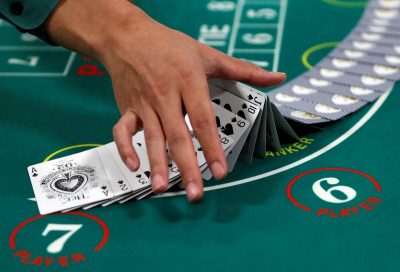
What new players should expect from a casino chicken road game
Most versions present a character moving along a path divided into steps. Each successful move may increase a potential payout, while a hazard or losing event can end the round and put the current stake at risk. Some games let players choose when to cash out; others use a different stopping or reward mechanic. The theme is only the presentation: the important details are the wager, the rules for each move, the payout calculation, and what happens when a round ends.
Before playing, open the game’s information panel and read its rules, paytable, and any explanation of random outcomes. Check whether the displayed amount is a possible return or profit, whether a cash-out decision is available at each stage, and whether the game has minimum and maximum stakes. If a demo mode is offered, it can help you understand the controls without risking money. A practice round does not predict future results, however, and past outcomes do not make a later move safer.
How to get started safely and understand each move
Begin by checking that the casino is legally available where you live and that you meet its age requirements. Then approach the game as entertainment with a fixed spending limit, not as a way to earn income. The steps below provide a simple routine for understanding the interface before you place a real-money wager.
- Check the casino: Confirm its licence, location restrictions, and responsible gambling options through the operator’s official information.
- Read the rules: Find out how movement, hazards, multipliers, cash-out choices, and round endings work in this specific version.
- Set limits: Choose a spending cap and a time limit before starting, and use available deposit or session controls.
- Try a demo: If available, use practice play to learn the buttons and follow the game flow without staking real money.
- Place a modest wager: If you decide to play for money, use only an amount you can afford to lose and stop when your limit is reached.
- Reading the paytable helps clarify what a displayed reward actually means.
- Practice play can familiarize you with controls, but cannot guarantee a real-money result.
- Pre-set limits reduce the risk of making rushed decisions during a session.
- Taking a break makes it easier to stick to your original plan.
Practical details to check before each round
Pay close attention to how the game shows your stake, current progress, and potential return. In some formats, the potential prize grows as you advance, but continuing also exposes the wager to another hazard. A cash-out button, if present, may secure the amount shown at that moment, subject to the game’s stated rules. Do not assume that a larger multiplier represents a likely outcome or that a particular route is due to succeed. Each game’s rules determine how outcomes are generated; read the provider’s explanation rather than relying on patterns from earlier rounds.
It is also worth checking whether the game works consistently on your device and whether the displayed controls are clear. Avoid starting a round if the stake, payout, or cash-out terms are difficult to understand. Casino interfaces may offer autoplay or quick-play options; disable these if they make it harder to monitor spending or stop on time. Before confirming a wager, pause to verify the amount. If a connection interruption occurs, consult the casino’s game history and support guidance instead of assuming the round was cancelled or refunded.
- Stake display: Confirm the amount at risk before each round begins.
- Cash-out terms: Check when you can stop and how the displayed return is calculated.
- Hazard rules: Understand what ends a run and whether any progress is retained.
- Game history: Use available records to review completed rounds and resolve discrepancies.
- Control settings: Be cautious with autoplay, rapid play, and other features that can speed up wagering.
A practical approach is to decide in advance how many rounds or how much time you want to spend, then treat that boundary as final. There is no reliable technique that removes the game’s uncertainty. Choosing to stop after a small win or a loss can be a personal limit, but it does not change the odds of the next round. Keep the focus on the experience rather than chasing a target payout.
Potential benefits and features of the format
The appeal of a chicken road-style casino game often comes from its simple visual structure and quick decisions. A player can usually see progress unfold in stages, making the central choice—continue or stop—easy to understand once the rules are clear. The format may suit people who prefer short rounds to longer casino games, but speed is also a reason to set limits carefully. Features differ between providers, so consider the following as possible conveniences, not guarantees that every game or casino will offer them.
- Short rounds: A quick format can be easier to fit into a planned entertainment session.
- Visible progression: A step-by-step path makes the current stage and next decision easy to follow.
- Clear payout information: A well-presented paytable can help players understand possible returns before wagering.
- Practice mode: A demo, where available, can help explain the interface without a real-money stake.
- Session controls: Deposit, time, or loss limits may support more deliberate play when offered by the casino.
These features are useful only when they are transparent and easy to access. Review the game’s rules and the casino’s account controls before you begin; do not assume that a feature is available based on another title or operator. If you find the pace difficult to manage, choose a slower form of entertainment or leave the game. The option to stop is part of responsible play, not a missed opportunity.
Trust, security, and responsible casino play
A trustworthy casino should identify its operating company, explain which authority licenses it, publish terms, and provide accessible customer support. Look for the licence details on the operator’s own site and, where possible, verify them with the relevant regulator. Read the privacy and payment information before submitting personal or financial details, and use a secure connection. A licence does not make gambling risk-free or guarantee that every player will win; it provides a framework of oversight that may include rules for fairness, complaints, and customer protection.
For game fairness, look for clear information about the software provider, random outcome testing, and the way results are determined. If the casino supplies a game history or round reference, save the relevant details when asking support about an issue. Never share your password or one-time security codes with anyone claiming they can influence a result. Keep gambling separate from essential expenses, avoid playing when distressed or under the influence, and do not borrow money to continue. If play stops feeling manageable, use the casino’s self-exclusion or limit tools and contact a local gambling support service.

Choosing a casino for this game
When deciding where to play, compare the quality of information and safeguards rather than focusing only on promotional claims. A suitable casino should make its licence, game rules, wager limits, payment terms, and support channels straightforward to find. Check whether the specific chicken road game is available in your region, whether its provider is named, and whether demo play and responsible gambling tools are offered. Promotions can carry eligibility requirements and withdrawal conditions, so read their terms before accepting them and never treat a bonus as a reason to exceed your budget.
Ultimately, play only if you understand the rules and are comfortable with the possibility of losing the full stake. Set a firm budget, keep sessions short, and stop when either your time or spending limit is reached. If the game creates pressure to recover losses or continue beyond your plan, step away rather than increasing the wager. A clear, regulated casino and a cautious approach can make the experience easier to assess, but neither removes the uncertainty inherent in casino gambling.